Coming Back to Yourself
Why Everyone’s Suddenly Talking About Mindfulness (and Why It Actually Matters)
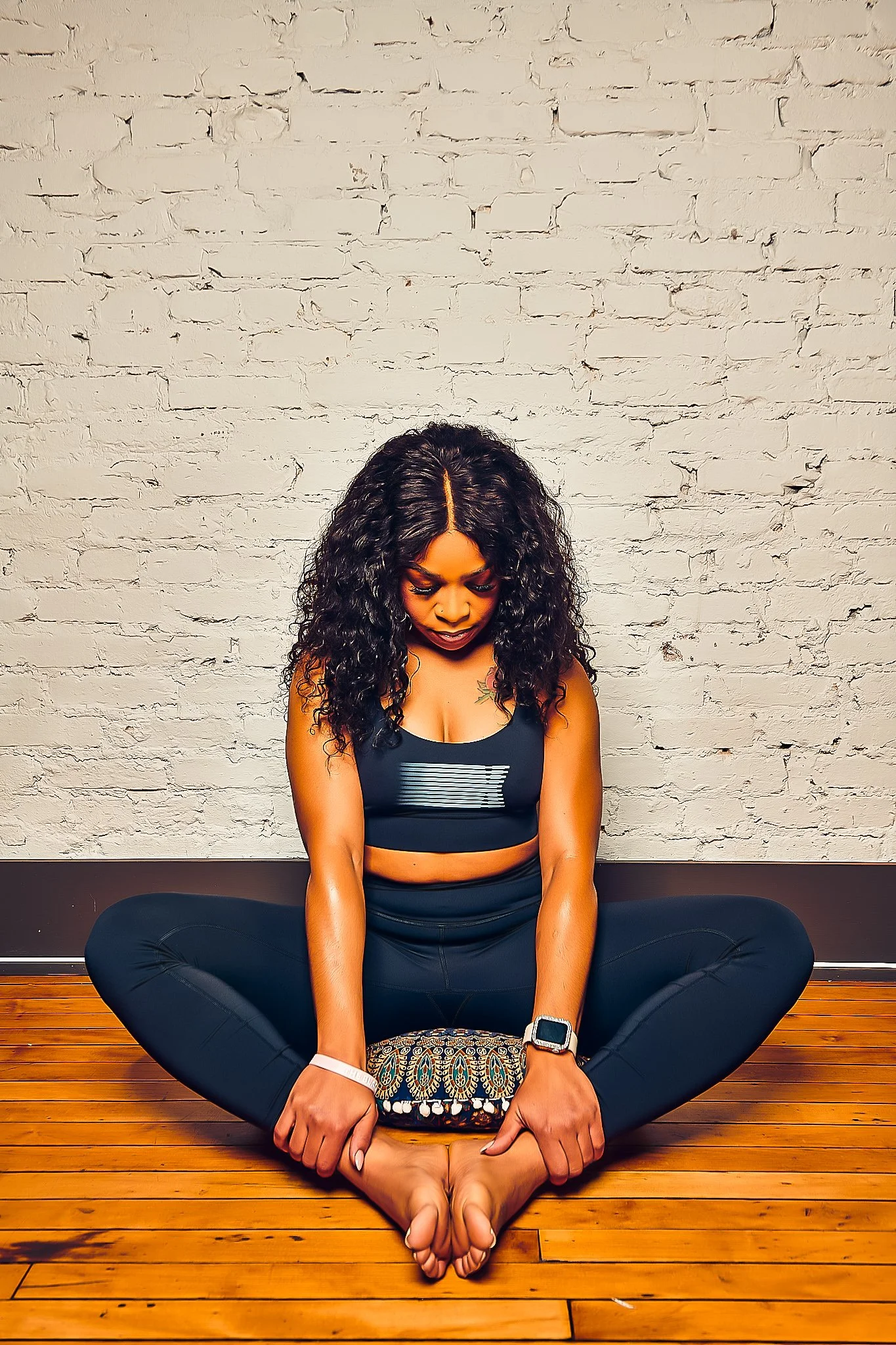
Woman sitting in quiet reflection during a mindfulness practice focused on emotional grounding
Somewhere between the endless to-do lists, the career goals, the relationships we’re tending to, and the quiet expectations we carry around like invisible weight — many of us started noticing something.
Our minds were always on, but our bodies and emotions were completely exhausted.
That’s where mindfulness shows up.
It’s not just a buzzword or another wellness trend designed to sell you something. It’s a psychological shift. A choice to step out of autopilot and back into your own life.
For the person juggling a demanding job and trying to build a creative business on the side…For the mom attempting to be present for her kids while also staying present for herself…For the woman who constantly feels like there’s never enough time…
Mindfulness doesn’t magically give you more hours in the day, but it does help you release the belief that everything must happen in one day to matter.
It teaches you how to feel grounded, even when the list is unfinished.
What is Mindfulness?
“Mindfulness is the practice of bringing full awareness to the present moment — noticing your thoughts, emotions, body sensations, and surroundings with curiosity and without judgment. It’s a grounded approach to emotional wellness and self-regulation.
”
Mindfulness is the practice of bringing your attention back to the present moment — your thoughts, your emotions, your body, and your environment — without immediately judging or reacting to them.
It’s not about “quieting your mind” or becoming some perfectly peaceful, enlightened person.It’s about noticing what’s happening inside you before life pulls you somewhere else.
So much of our anxiety lives in the future we’re trying to control. So much of our emotional heaviness comes from replaying the past. Mindfulness interrupts that cycle just long enough to help your nervous system settle and remind your body: you’re safe here. You’re alive in this moment.
For many of us — especially millennials navigating burnout, boundary-setting, and redefining success — mindfulness has become part of a larger recalibration. We’re choosing intentional habits, sustainable routines, and lifestyles that actually support our emotional well-being instead of stretching us dangerously thin.
My Mindfulness Journey
There was a season where I felt like I was just moving — working, producing, responding, achieving — without ever checking in with myself.
I wasn’t living. I was performing my life. 2015… I was working a full-time job, committing 25 hours to my field practicum, working a part-time job that required 25 hours of my time and emotional labor, and still engaging in personal and leisure activities with family, friends, and line sisters. I was doing a lot, but still not present in all these areas.
Mindfulness slowed me down enough to hear myself again.
Now, I pay attention to the subtle things: the way my chest tightens when I’m overwhelmed, how my shoulders soften when I finally exhale, how silence can feel like relief instead of emptiness.
Sometimes mindfulness looks like sitting quietly in my car at night, journaling under the moon. Other times, it’s simply noticing my heartbeat, my breath, or how my body reacts to the world around me.
It hasn’t been easy. It takes patience. It takes honesty. It takes showing up for yourself even when it feels inconvenient.
But the more I practice, the more I feel like I’m actually present in my own life…not just rushing through it to get to some imaginary finish line.
Gentle Ways to Practice Mindfulness
1. Spend five quiet minutes noticing your breath and body.No agenda. Just awareness. What do you feel? Where is tension living in your body right now.
2. Allow uncomfortable feelings to exist without fixing them immediately.You don’t have to solve every emotion the moment it appears. Sometimes you just need to witness it.
3. Meditate — even briefly — with curiosity, not pressure.Two minutes counts. Five minutes counts. Release the idea that it has to look a certain way
4. Notice your breathing throughout the day.Especially during moments of stress or transition. Your breath is always accessible. Always grounding.
5. Observe your thoughts the way you’d watch passing clouds.They come. They go. You don’t have to attach to every single one.
6. Practice releasing what you cannot control.This one’s hard. But mindfulness helps you locate the difference between what’s yours to carry and what you’ve been holding that never belonged to you.
7. Mindfulness is a muscle. The more gently you strengthen it, the more supported you’ll feel within yourself.
A Few Mindfulness Apps I Actually Use
Headspace — great for beginners and structured guidance
Calm — soothing for bedtime routines and anxiety relief
Meditation Studio — variety of practices and teachers
The Mindfulness App — simple, customizable, no pressure
You Don’t Have to Be Perfect at This
If you’re exploring mindfulness right now, I’d genuinely love to hear how it’s showing up in your life. Where are you noticing yourself slowing down? What part of your routine feels more intentional than it did before?
Want to go deeper into mindful living, emotional grounding, and building routines that actually feel sustainable?
Subscribe to my newsletter for reflections, frameworks, and gentle reminders that you don’t have to hustle your way into healing.